More Perth homeowners than ever want a fence that does not cost the earth, literally. The trouble is that “eco-friendly” and “sustainable fencing” get thrown around loosely, and the greenest-sounding option is not always the greenest choice once you look at the whole picture. A timber fence feels natural, but what if it is treated with harsh chemicals and needs replacing in twelve years? A steel fence feels industrial, but what if it is largely recycled and lasts three decades? In this guide we cut through the marketing and explain what sustainable fencing really means, break down embodied carbon in plain English, and walk through the most eco-friendly fencing materials, from recycled steel and aluminium to composite, plantation timber, bamboo and living fences, so you can make a choice that is genuinely good for the planet and your yard.
What ‘Sustainable Fencing’ Really Means
Sustainability is not a single feature, it is the whole life of the fence, and judging it on looks alone is where most people go wrong. A truly sustainable fence is assessed across four stages. First, how the material is sourced: is it recycled, renewable or dug and manufactured from scratch? Second, how long it lasts, because a fence that stands for thirty years is doing far less damage than one replaced twice in that time. Third, what it needs to survive, since materials that demand harsh chemical treatments, paints and stains carry an ongoing environmental cost. And fourth, what happens at the end of its life: can it be recycled, reused or composted, or does it become landfill waste? Judged this way, “natural” and “sustainable” are not the same thing. Some of the most eco-friendly fencing options are metals and composites, precisely because they last and can be recycled, while some natural-looking timber fences quietly rack up chemicals, replacements and waste. Keep those four stages in mind and the real picture gets a lot clearer.
Embodied Carbon In Plain English
Embodied carbon sounds technical, but the idea is simple. It is the total greenhouse gas released to dig up, manufacture and transport a material before it ever reaches your yard, separate from any energy it uses in service. Different fencing materials start from very different places. Timber has low embodied carbon and even stores carbon that the tree pulled from the air as it grew. Steel and aluminium are the opposite, being energy-hungry to make from raw ore, so they start with a high embodied carbon figure. Here is the twist that matters, though: embodied carbon is a one-off cost you pay once, and you spread it across every year the fence lasts. A high-carbon material that stands for thirty years and is then fully recycled can easily beat a low-carbon one that is replaced three times and thrown away. Two things slash embodied carbon dramatically: using recycled content instead of virgin material, and simply making the fence last. That is why durability and recyclability, not just the raw material, decide how green a fence truly is.
Why A Long-Lasting Fence Is A Green Fence
This is the point most eco-fencing guides miss, so it is worth saying plainly: the greenest fence is very often the one you never have to replace. Every replacement means a fresh round of raw materials, manufacturing, transport and old fence heading to landfill. A fence that lasts over 25 years with minimal maintenance can be more sustainable than a “natural” fence that looks greener but rots or falls apart in a decade and gets rebuilt. This matters enormously in Perth, where scorching summers, intense UV and salty coastal breezes punish a fence hard. A material that shrugs off our climate for thirty years quietly does the planet a bigger favour than a delicate one that needs constant repair and early replacement. So when you weigh up sustainability, durability is not a side note, it is one of the biggest levers you have.
Eco-Friendly Fencing Materials Compared
Every material lands differently across the sustainability stages. Here is a plain-English comparison of the most common eco-friendly fence materials:
| Material | Sourcing | Typical Lifespan | End Of Life | Maintenance |
|---|---|---|---|---|
| Recycled steel (Colorbond) | Recycled steel content | 20 to 30+ years | 100% recyclable | Low, occasional wash |
| Aluminium | Infinitely recyclable | 25 to 40+ years | 100% recyclable | Very low |
| Composite | 90 to 99% recycled | 25 to 30 years | Hard to recycle | Very low, no painting |
| Reclaimed timber | Salvaged and reused | 15 to 25 years | Reusable or compostable | Moderate, resealing |
| Plantation or FSC timber | Renewable, certified | 10 to 20 years | Compostable | Moderate, sealing |
| Bamboo | Rapidly renewable | 15 to 20+ years | Compostable | Moderate |
| Living hedge | Living, absorbs carbon | Indefinite | Returns to the soil | Ongoing water and pruning |
No single row is the perfect answer for everyone, which is exactly why the rest of this guide digs into each one.
Recycled Steel And Colorbond
Steel is one of the most quietly sustainable fencing materials, which surprises people. Modern steel is produced with significant recycled content, and Colorbond steel is 100% recyclable at the end of its life, so it never has to become landfill waste, it simply becomes new steel. Yes, making steel from scratch carries high embodied carbon, but a Colorbond fence lasts 20 to 30 years or more with only an occasional wash, no chemical treatments, no painting and no staining. Spread that one-off carbon cost across three decades of service, then recycle it fully at the end, and steel stacks up far better than its raw-material reputation suggests. Add that it stands up superbly to Perth’s heat and UV, and recycled steel becomes a genuinely sustainable, low-maintenance choice for the long haul.
Aluminium: Infinitely Recyclable
Aluminium has a special sustainability trick: it is infinitely recyclable, meaning it can be melted down and remade over and over with no loss of quality. Recycling aluminium uses only a small fraction of the energy needed to smelt it from ore, so a fence made with recycled aluminium content carries a fraction of the embodied carbon of virgin metal. On top of that, aluminium naturally resists rust and corrosion, which makes it extremely durable in Perth’s coastal environments where other metals struggle. Long life, near-zero maintenance and complete, endless recyclability make powder-coated aluminium one of the most environmentally friendly fencing options going, particularly for homes near the beach. It is proof that a modern, manufactured material can be a deeply sustainable one.
Composite Fencing: Waste Turned Into A Fence
Composite fencing is the poster child for the circular economy. It is made by blending recycled plastics with recycled wood fibres, and quality composite can contain 90 to 99% recycled content. To put that in real terms, a single 30-metre composite fence can divert well over 140,000 plastic bags from landfill, turning waste that would have lingered for centuries into a fence. Composite gives you the warm look of timber without the downsides: it lasts 25 to 30 years, resists rot, splintering and insect damage, and needs no painting or staining, just the occasional wash. The one honest caveat is end of life, because composite blends materials and is harder to recycle than pure metal, so it usually cannot be melted down the same way. Even so, for keeping plastic out of landfill and lasting decades without chemicals, composite is a strong sustainable alternative to traditional wood fences.
Treated Pine Vs Plantation And Reclaimed Timber
Timber is where “natural” gets complicated, so it deserves a proper look. Standard treated pine is cheap and common, but it is soaked in chemical preservatives to resist rot and termites, and those harsh chemical treatments are part of its environmental cost. There are much greener ways to go timber. Plantation-grown and FSC-certified timber comes from responsibly managed forests that are replanted, making it a genuinely renewable resource with a low carbon footprint, especially when treated with modern, less-toxic preservatives. Better still is reclaimed wood, salvaged from old structures, barns and fallen trees, which reuses timber that already exists, spares new trees, and brings a character and timeless appeal you cannot buy new. Timber also stores carbon and starts with low embodied carbon, which is a real plus. The trade-off is lifespan and upkeep: even good timber generally lasts less time than metal and needs regular sealing, so choose certified, plantation or reclaimed stock over cheap treated pine, and commit to maintaining it, and timber can be a sound sustainable choice.
Bamboo Fencing
Bamboo is the eco-headline material, and for good reason. It is technically a fast-growing grass, not a wood, and some species grow up to a metre a day, making it one of the most rapidly renewable resources on the planet. It needs little water and no chemicals to thrive, it is naturally resistant to termites thanks to its silica content, and it is strong, lightweight and quick to install. A bamboo fence can last 20 years with proper care. The honest catches for Perth are two: most bamboo is imported, which adds transport carbon, and it holds up best as screening rather than a heavy-duty structural boundary in our harsh UV and heat. Used well, though, for a screen, a garden divider or a natural aesthetic feature, bamboo is a beautiful, highly renewable option.
Living Fences And Hedges
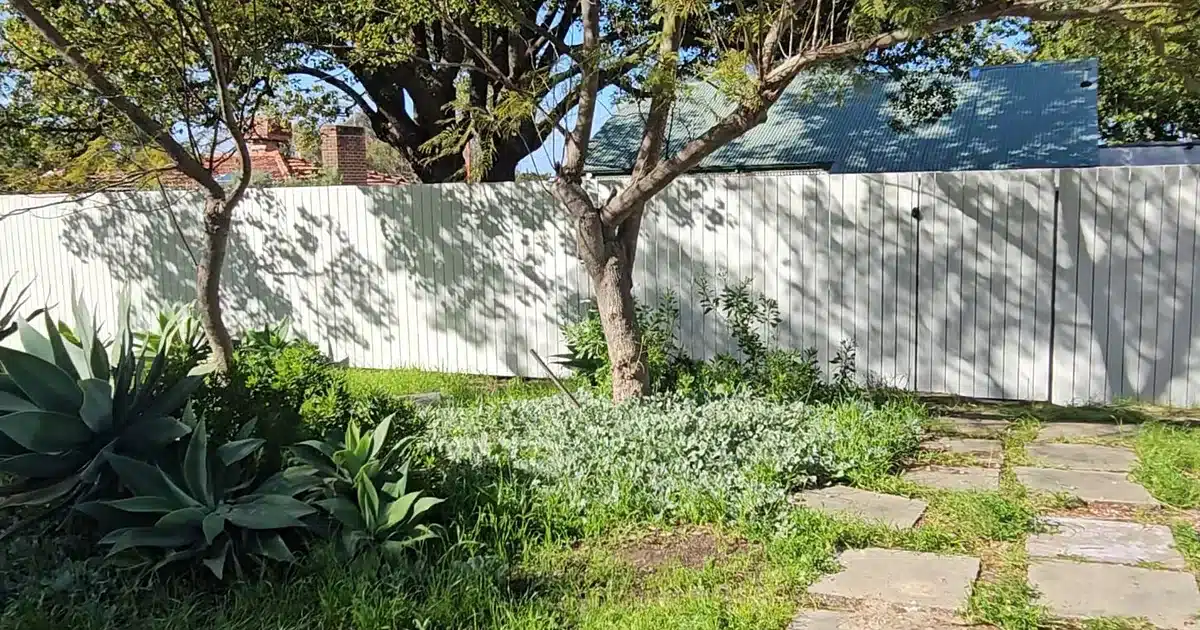
The most natural boundary of all is a living one. A living fence, a dense hedge of shrubs or bushes, is about as sustainable as it gets: it absorbs carbon dioxide and releases oxygen, filters air pollutants to improve local air quality, provides a natural habitat for local wildlife and birds, and can last indefinitely with proper care. It is a genuine win for the environment and for the look of an outdoor space. The trade-offs are practical: a hedge takes years to grow in, offers less security and privacy than a solid fence until established, is not a hard barrier for pets or pools, and in Perth needs watering to establish, which is a real consideration in our dry climate. That is why many homeowners pair the two, running a durable aluminium or steel fence for security and privacy, then softening it with climbing plants or a hedge for the wildlife and greenery. You get the best of both.
Recycled Fencing In Australia: What To Look For
If sustainability is your priority, a few checks help you separate genuine green options from marketing spin. Ask about recycled content: reputable recycled fencing in Australia will state how much recycled material a product actually contains, whether that is recycled steel, aluminium, or the plastics and wood fibres in composite. Look for credible certification, like FSC for responsibly sourced timber, rather than vague “eco” claims. Favour locally made and locally sourced materials where you can, because shipping a fence halfway around the world adds transport carbon that can undo its green credentials. And think about the end of the fence’s life before you buy it: a material that can be fully recycled or reused, rather than landfilled, closes the loop. Weigh recycled content, durability and end-of-life together, and you will spot the genuinely sustainable options quickly.
The Most Sustainable Choice For A Perth Home
So what is the greenest fence for a Perth block? The honest answer is that it depends on your priorities, but the practical winner for most homes is a recycled, fully recyclable metal that lasts for decades. Colorbond steel and aluminium tick the big sustainability boxes at once: recycled content, exceptional durability in our sun and salt, minimal maintenance with no chemicals, and complete recyclability at the end of a long life. If you love the warmth of timber, composite gives you that look while keeping plastic out of landfill and lasting 25 to 30 years, and certified plantation or reclaimed timber is a lovely lower-carbon option if you accept the upkeep. And for the greenest touch of all, wrap a durable fence in a living hedge or climbing plants for the wildlife and air-quality benefits. There is no single right answer, only the right balance of durability, recycled content and end-of-life for your home and your values.
Our Recent Sustainable Fencing Work In Perth
The greenest fence is usually the one that lasts longest and recycles at the end. A few recent low-impact projects:
Fully Recyclable Surfmist Slat Boundary: This custom Surfmist aluminium slat boundary needs no chemical treatment and is fully recyclable at the end of a very long life, the kind of durable, low-waste choice that keeps a fence out of landfill for decades.
Timber-Look Slats With No Chemicals: A Western Red Cedar woodgrain on aluminium gave this home the warmth of timber with none of the preservatives, staining or replacement timber needs, a lower-impact way to get the natural look.
Recycled-Content Colorbond Steel: Colorbond steel contains recycled content and is fully recyclable again at the end of its life; here it formed a long-lasting Monument boundary lifted with an aluminium slat top.
Frequently Asked Questions
The sustainable fencing questions Perth homeowners ask us most:
Choose A Fence That Is Good For Your Home And The Planet
Sustainable fencing is not about picking the most natural-looking option, it is about the whole journey: how the material is made, how long it lasts, what it needs along the way, and where it ends up. Judged like that, a recycled, recyclable, decades-long fence in Colorbond or aluminium is often the greenest and most practical choice, with composite, certified timber and living hedges all strong options depending on what matters most to you. We are always happy to talk you through the eco trade-offs honestly and help you land on a fence that suits your home, your budget and your values. Get in touch today for expert advice and a free, no-obligation quote, and let us build you a fence that is built to last and kind to the planet.

With years of hands-on experience in the fencing industry, Niels founded FencrGatr with a mission to deliver premium fencing solutions backed by exceptional service across Perth.